
JOANNA MENDOZA
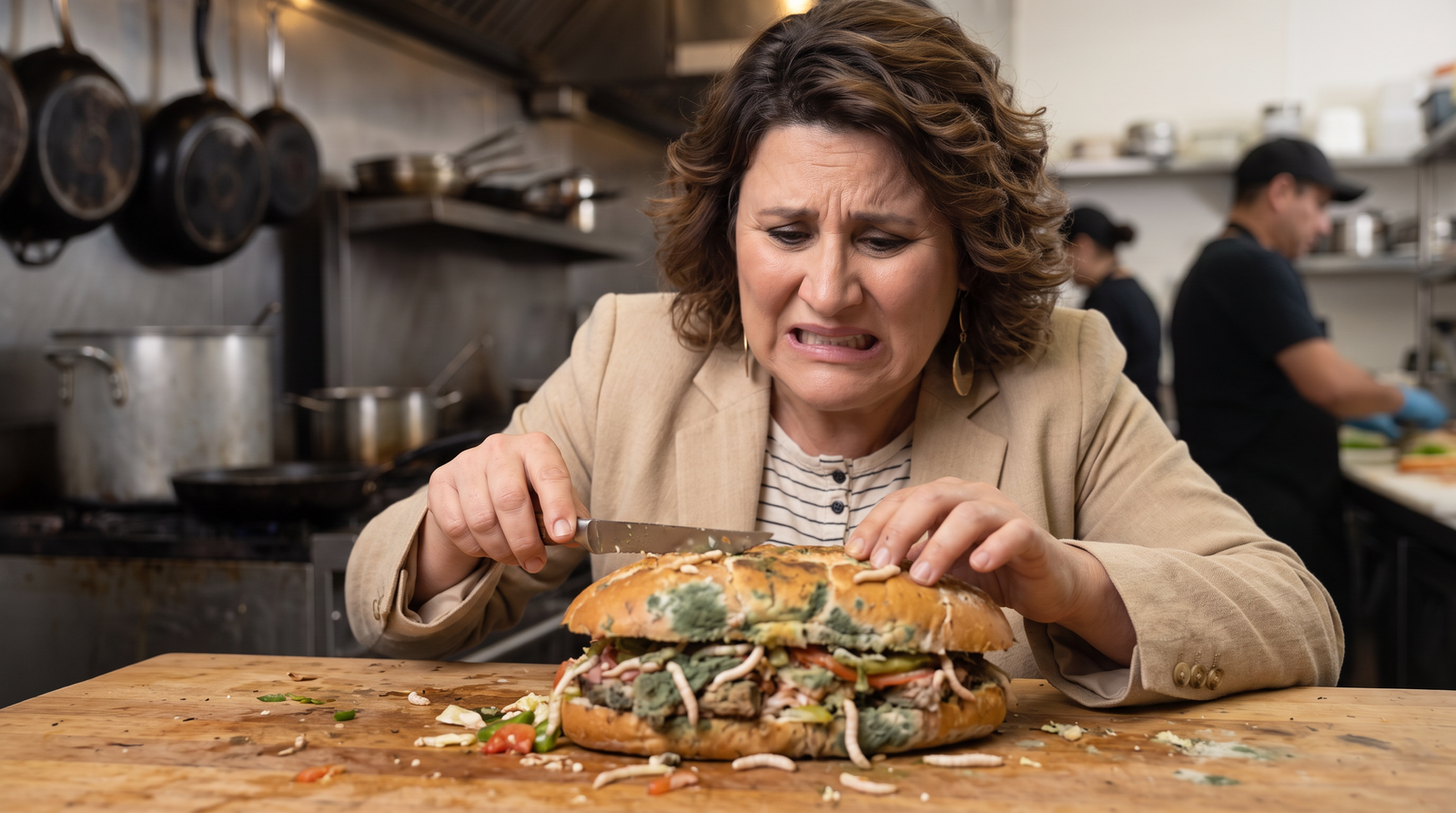
EVIL TORTA
Mendoza is a Leftist, or a Progressive Democrat, how they like to call themselves (Democrats). Read on before you close this window! In the battle of politics we have been conditioned to believe that the battle lies between Republicans, Democrats, Independents, Libertarians, of the which only the First Two control National Politics. However, the true battle of politics is not between parties, but rather, between Good & Evil. Good wants American Citizens to be as free as they can without interfering with others' liberties. Evil wants to control as many aspects of your life as possible, charge more taxes in order to create higher budgets to pay for Government Programs that make our existence depending on the Government. If we were to look at the Political Alignment as a line chart, Progressives are a step away from Socialism (futher left) and 3 steps away from the Democrats of the John Kennedy era (further right). The Democratic Party has shifted Left substantially since the 1960's. We do not have Democratic Icons calling for the People to Do Something Great For The Country Anymore, unless it involves rioting, burning the streets and interrupting others' daily lives. Similarly, The Republican Party has also shifted to the left, leading many Republicans to call each other RINO (Republicans In Name Only). With this being said, being a Progressive Democrat is not something the Late President John F. Kennedy would align himself with.
JoAnna Mendoza previously served as executive director of the Arizona Center for Economic Progress, an organization that advocates for higher state revenues and a more progressive tax code and *strongly opposes automatic reductions in Arizona tax rates* ([Arizona Center for Economic Progress – State Budget & Tax](https://azeconcenter.org/our-priorities/education/)).
During her tenure, the Center also opposed the expansion of school vouchers and criticized Arizona’s Empowerment Scholarship Account program (ESA), including describing expanded vouchers as diverting public resources toward private schools ([Arizona Center for Economic Progress – School Voucher Policy](https://azeconcenter.org/our-priorities/education/)).
As a United States Marine, Raoul Garza (the founder of 'Evil Torta' concept), cannot endorse JoAnna Mendoza but instead strongly opposes her. Why? We swore an Oath To The United States Constitution without really knowing much about it (Age 18-Raoul, Age 17-JoAnna), service is better where the Document Sworn Allegiance To Is Understood and Loved, regardless of longevity. While Mr. Garza does not question matters of the heart, God does, paramount constituional issues are not being supported nor defended, but rather attacked by the blunt use of the word 'Progressive'. There is nothing that leads to progress in a governmental system, or a candidate, that opposes principles of individual liberty, small government, Second Amendment, and oppression of 'the rich' by higher rate taxation brackets. Mr. Garza strongly opposes any candidate that would swear an oath to support and defend the Constituion of the United States of Amerca with a double face, wishing it was destroyed, or substantially weakened. With this being said, it is a sad day when a veteran boasts of his/her service to the country while opposing certain inalianable rights endowed by our Creator, not the Government. VOTE FOR JUAN CISCOMANI!!!
JoAnna Mendoza: Policy and Fiscal Analysis
JoAnna Mendoza's campaign platform proposes a combination of tax credits, government programs, regulation, public investment, labor protections, negotiated prices, and additional federal services intended to address household costs, healthcare, employment, infrastructure, veterans' services, water, energy, and national security.
Major Policy Proposals
| Policy Area | Proposal | Potential Federal Fiscal Effect | Key Fiscal Question |
|---|---|---|---|
| Cost of Living | Strengthen consumer protections, address price gouging, modernize the Child Tax Credit, and oppose tariffs that increase consumer costs. | Potential increase in federal outlays from an expanded Child Tax Credit. Consumer-protection enforcement could have comparatively limited direct federal costs. | How large would the tax-credit expansion be, and how would it be financed? |
| Social Security | Protect existing benefits and explore increasing benefits, particularly for seniors with limited incomes. | Increasing benefits would increase federal Social Security outlays unless accompanied by additional revenues or other offsets. | What benefit increases are proposed and what revenue source would finance them? |
| Jobs and Workers | Expand workforce training, apprenticeships, technical education, and protections for workers and unions. | Federal workforce and education programs could require additional appropriations or tax expenditures. | How much federal funding would be provided and through which programs? |
| Healthcare | Restore or expand healthcare assistance, protect people with pre-existing conditions, expand Medicare drug negotiation, and add vision, hearing, and dental benefits. | Several elements could increase federal healthcare spending, while expanded Medicare drug-price negotiation could reduce federal and beneficiary prescription-drug costs. | What benefits would be expanded and what would be the 10-year federal cost? |
| Energy and Solar | Support American-made clean energy, protect local solar projects, and prevent energy-intensive industries from shifting costs to utility customers. | Clean-energy incentives can involve federal spending or reduced federal tax collections. | Which incentives would be restored or expanded, and how would they be paid for? |
| Data Centers | Require new data centers to provide their own energy rather than increasing costs for existing utility customers. | Could shift some infrastructure and energy costs from ratepayers to data-center operators rather than directly increasing federal spending. | What federal authority would be used to impose such a requirement? |
| Water and PFAS | Invest in water infrastructure, protect groundwater, secure Colorado River resources, and clean up contaminants such as PFAS. | Likely requires additional public investment, although costs could potentially be shared with states, utilities, or responsible parties. | Who would pay for cleanup and infrastructure? |
| Agriculture | Support a five-year Farm Bill, rural communities, farmers and ranchers, and programs benefiting agricultural producers. | Potentially substantial federal spending depending on the specific Farm Bill provisions. | Which farm programs would be expanded, restored, or reduced? |
| Tariffs | Oppose tariffs that increase the price of equipment, fertilizer, and other goods used by farmers and businesses. | Removing tariffs can reduce tariff revenue collected by the federal government while potentially reducing costs for affected businesses and consumers. | Which tariffs would be removed and what revenue would be lost? |
| Veterans | Restore VA funding, expand rural specialty care, telehealth and mobile services, improve transportation, expand mental-health and housing services, and modernize VA technology. | Expanding or restoring services would generally increase VA spending unless offset by reductions elsewhere. | Which VA reductions would be reversed and what would the resulting annual cost be? |
| Government Accountability | Ban individual stock trading by members of Congress and certain government officials, strengthen transparency, and improve constituent access. | Generally limited direct federal fiscal impact, although implementation and enforcement could require resources. | Which officials would be covered and what enforcement mechanism would apply? |
| National Security | Maintain border security, support NATO, use diplomacy, require congressional involvement in new conflicts, and avoid prolonged military engagements without a defined mission. | Fiscal effect is difficult to determine without specific defense, diplomatic, and military proposals. | Which military and diplomatic programs would be changed? |
WHERE WILL THE MONEY COME FROM?
1. Lowering Household Costs
Price Gouging and Consumer Protection
Mendoza proposes stronger consumer protections and action against what her campaign describes as price gouging and unfair price disparities, particularly in rural communities. She also proposes opposing tariffs that increase consumer costs.
The direct federal cost of additional enforcement could be relatively limited compared with major entitlement programs. However, the economic effect depends on how 'price gouging' is defined, which industries are covered, and what enforcement authority would be created or expanded.
😈 FROM YOUR TAXES! 😈

Child Tax Credit
Mendoza supports modernizing the Child Tax Credit to provide additional relief to working families. The fiscal effect would depend on the size of the credit, eligibility requirements, refundability, and whether the proposal is temporary or permanent.
An expanded refundable tax credit generally represents a federal revenue reduction or increased federal outlay, depending on how the credit is structured.
😈 FROM YOUR TAXES! 😈

Social Security
Mendoza opposes reductions in Social Security benefits and supports strengthening the program and exploring increased benefits, particularly for seniors living on fixed incomes.

Increasing Social Security benefits would increase federal outlays unless the additional benefits were financed through higher revenues or other changes to the program.
😈 FROM YOUR TAXES! 😈
2. Jobs, Wages and Workers
Mendoza supports workforce training, apprenticeships and technical education, particularly for trades and growing industries. She also supports workers' ability to unionize and advocates for wages and benefits that allow a worker to support a family and retire with dignity.
Federal workforce-training programs can require additional appropriations or tax expenditures. The ultimate economic effect would depend on program design, participation, employment outcomes and whether training produces measurable productivity gains.
😈 FROM YOUR TAXES! 😈

3. Healthcare
Mendoza's healthcare platform includes reversing or opposing reductions affecting AHCCCS and Affordable Care Act subsidies, protecting coverage for pre-existing conditions, expanding Medicare prescription-drug negotiation, increasing the healthcare workforce, opposing Medicare privatization, and expanding Medicare benefits to include vision, hearing and dental care.
😈 FROM YOUR TAXES! 😈
Potential Fiscal Effects
- Expanded ACA subsidies could increase federal spending.
- Additional Medicaid/AHCCCS support could increase federal spending.
- Expanded Medicare benefits could increase Medicare spending.
- Additional healthcare workforce programs could require federal funding.
- Medicare drug-price negotiation could reduce federal and beneficiary spending on certain prescription drugs.
A complete fiscal estimate cannot be calculated from the campaign platform alone because it does not specify the precise benefit levels, eligibility rules, appropriations, offsets, or financing mechanisms for each proposal.
😈 FROM YOUR TAXES! 😈
4. Energy, Solar and Utilities
Mendoza supports investment in American-made energy, including clean energy, and supports protecting local solar projects. She also proposes requiring expanding industries such as data centers to provide their own energy rather than shifting additional costs onto Arizona utility customers.
😈 FROM YOUR TAXES! 😈
Clean-energy incentives can affect federal spending or federal tax collections. The fiscal effect depends heavily on whether existing tax credits are maintained, expanded, modified, or replaced.
😈 FROM YOUR TAXES! 😈
Data Centers
Requiring data centers to provide their own energy could shift some infrastructure and electricity costs from existing ratepayers to the companies operating the facilities. The federal fiscal impact would depend on the mechanism used to implement the requirement.
😈 FROM YOUR TAXES! 😈
5. Water and PFAS
Mendoza supports investment in water infrastructure, protection of groundwater, Arizona's interests in Colorado River negotiations, and cleanup of contaminants such as PFAS.
😈 FROM YOUR TAXES! 😈
Water infrastructure and environmental remediation can involve significant public expenditures. The ultimate taxpayer cost would depend on whether projects are funded by federal appropriations, state governments, local utilities, responsible polluters, or a combination of those sources.
😈 FROM YOUR TAXES! 😈
6. Agriculture and the Farm Bill
Mendoza supports a five-year Farm Bill intended to provide greater certainty to farmers and ranchers, invest in rural communities, and support agricultural production.
😈 FROM YOUR TAXES! 😈
The Farm Bill encompasses numerous federal programs, including agricultural support, nutrition programs, conservation, rural development and other activities. Consequently, the phrase 'five-year Farm Bill' alone does not establish a specific federal price tag.
😈 FROM YOUR TAXES! 😈
Tariffs
Mendoza opposes tariffs that she argues increase the cost of agricultural equipment and fertilizer.
😈 FROM YOUR TAXES! 😈
Removing tariffs can reduce costs for importers and businesses affected by those tariffs, but it can also reduce federal tariff revenue. The economic effect varies depending on the particular products, countries and tariff rates involved.
😈 FROM YOUR TAXES! 😈
7. Veterans Affairs
Mendoza proposes restoring VA funding associated with what her campaign describes as DOGE cuts. She also supports expanded rural specialty care, telehealth, mobile services, transportation assistance, mental-health services, housing assistance, job training, electronic-health-record modernization, and protections against predatory claims assistance.
😈 FROM YOUR TAXES! 😈
DOGE cuts were not budget, the VA kept the budget, infact, IT INCREASED THE BUDGET! What Mendoza is looking at doing is INCREASING THE BUDGET EVEN MORE. Where will those funds come from?
😈 FROM YOUR TAXES! 😈
The fiscal effect would generally be an increase in VA spending if existing services are restored or additional services are created.
😈 FROM YOUR TAXES! 😈
The phrase 'restore DOGE cuts' does not by itself provide enough information to calculate a precise cost. A complete estimate would require identifying the specific positions, contracts, programs and funding reductions that would be restored.
😈 FROM YOUR TAXES! 😈
8. Government Accountability
Mendoza supports prohibiting members of Congress, their families and certain senior government officials from trading individual stocks while in office. She also supports greater government transparency and expanded constituent communication. This is all lip service.
These proposals would generally have a relatively small direct federal fiscal effect compared with healthcare, Social Security, defense or veterans programs. Their primary effects would be regulatory, administrative and ethical rather than budgetary. Are we really going to prosecute Fauci? Sounds like not really...
😈 FROM YOUR TAXES! 😈
9. Immigration and Public Safety
Mendoza supports funding for law enforcement, officer training and body cameras, as well as additional crisis-response professionals. Her immigration platform supports strengthening border security at ports of entry, deporting violent criminals, targeting cartels, improving oversight of detention facilities and creating legal pathways for people who work, follow the law and contribute to their communities.
😈 FROM YOUR TAXES! 😈
The fiscal effect would depend on the scale of additional border security, detention, law-enforcement and immigration programs, as well as the design of any new legal pathways.
😈 FROM YOUR TAXES! 😈
10. National Security
Mendoza supports securing the southern border, maintaining relationships with Mexico, supporting NATO, using diplomacy, maintaining military resources, and requiring congressional involvement before new military conflicts.
These proposals do not establish a single identifiable federal cost. Military spending, diplomatic programs, border security and overseas operations each have different budgetary effects.
😈 FROM YOUR TAXES! 😈
Overall Fiscal Questions
Several major elements of the platform could increase federal spending or reduce federal revenue, particularly proposals involving healthcare, Social Security, the Child Tax Credit, veterans' services, clean-energy investment, water infrastructure and agricultural programs.
😈 FROM YOUR TAXES! 😈
Other proposals primarily involve regulatory or administrative changes and may have relatively limited direct federal budgetary effects.
😈 LIP SERVICE 😈
The campaign's platform does not provide a complete 10-year budget, specific appropriation amounts, or a comprehensive list of revenue increases and spending reductions that would finance all of the proposals.
😈 FROM UNCAPPED TAXES! 😈
Questions That Would Be Needed for a Complete Cost Estimate
- How much would the Child Tax Credit be increased?
- Would the expanded Child Tax Credit be refundable?
- How would proposed Social Security benefit increases be financed?
- How much additional funding would be provided to AHCCCS?
- How much would ACA subsidies be increased?
- What additional Medicare benefits would be provided and to whom?
- Which Medicare drugs would be subject to expanded negotiation?
- Which VA cuts would be restored and at what annual cost?
- How much additional funding would be provided for rural healthcare?
- What clean-energy incentives would be created or restored?
- How would PFAS cleanup be financed?
- Which Farm Bill programs would receive additional funding?
- Which tariffs would be eliminated and how much federal revenue would be lost?
- What federal agency would regulate energy requirements for data centers?
- What additional border-security and immigration-enforcement funding would be authorized?
- What revenue increases or spending reductions would offset the additional costs?
Bottom Line
Mendoza's platform relies on a combination of federal spending, tax credits, regulation, consumer protections, labor policies, public investment and government-negotiated costs to address household expenses and expand access to services.
😈 FROM YOUR TAXES! 😈
Some proposals could reduce particular costs for households or government programs, while others would likely increase federal expenditures or reduce federal revenue. The campaign's published platform does not contain enough specific financial information to produce a complete 10-year taxpayer cost.
😈 BECAUSE IT IS COUNTING ON 😈
😈 UNCAPPED TAXES 😈
😈 & A MONEY PRINTING MACHINE! 😈